
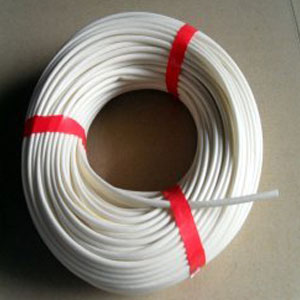
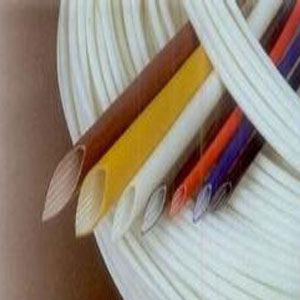
Silicon Rubber Coated Fiberglass Sleeve – High-Temperature Protection Solution
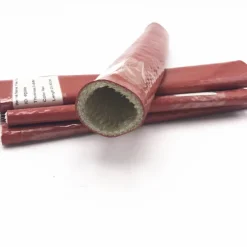
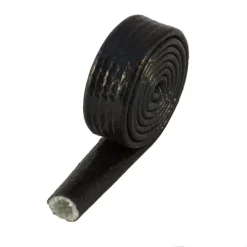
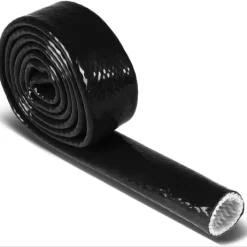
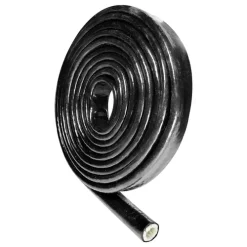
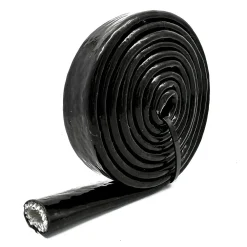
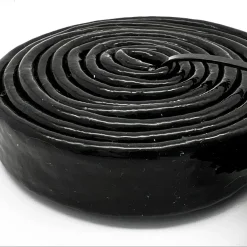
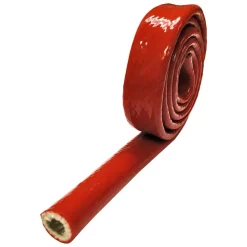
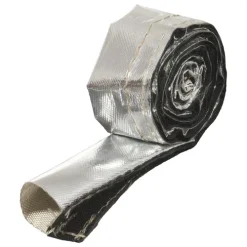
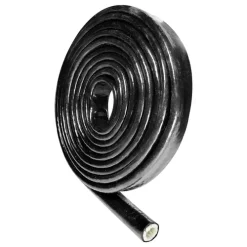
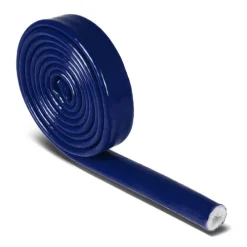
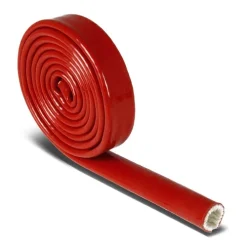
A Silicon Rubber Coated Fiberglass Sleeve provides strong protection for hoses, wires, and cables exposed to extreme heat and harsh conditions. It combines thermal resistance with durability to ensure reliable performance in demanding environments. As a result, industries use this solution to improve safety and extend the lifespan of critical components.
Engineered for Heat and Flame Resistance
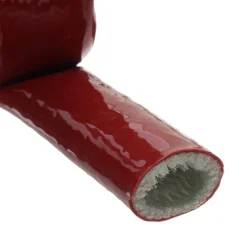
Manufacturers design a Silicon Rubber Coated Fiberglass Sleeve using high-quality fiberglass as the core material and a silicone rubber coating for added protection. In addition, this combination allows the sleeve to handle high temperatures and resist direct flame exposure.
Moreover, the outer coating protects against abrasion, oil, and moisture, which helps maintain long-term performance. Therefore, it supports stable operation even in environments with continuous heat exposure.
Key Features and Functional Benefits
This protective sleeve delivers a balance of flexibility, strength, and heat resistance. For example, it offers:
- High resistance to extreme temperatures and flames
- Durable silicone coating for extended service life
- Protection against chemicals, oil, and moisture
- Flexible structure for easy installation
- Strong insulation for improved safety
Additionally, these features make it suitable for both industrial and specialized applications.
Applications Across Multiple Industries
Industries rely on this sleeve in environments where heat protection plays a critical role. For instance, professionals install it on hydraulic hoses, fuel lines, and electrical wiring to prevent thermal damage.
Furthermore, it performs effectively in automotive systems, manufacturing plants, power generation units, and heavy machinery. In turn, this improves system reliability and reduces unexpected failures.
Silicon Rubber Coated Fiberglass Sleeve – Benefits of Choosing This Protective Sleeve
A Rubber Coated Fiberglass Sleeve improves safety while reducing maintenance requirements. Not only that, it helps prevent overheating, but it also lowers the risk of fire hazards in critical systems.
Consequently, businesses experience fewer disruptions and better operational efficiency. Overall, this solution provides a dependable and cost-effective way to manage high-temperature environments.
Reviews
There are no reviews yet.